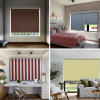




How HDPE Shades Help In Reducing Indoor Temperature

Summers are fast approaching, and it won’t be long before we begin to feel the full intensity of the season. While northern parts of India may still enjoy a brief respite, southern regions have already started experiencing rising temperatures.
Air conditioners, coolers, and ceiling fans are commonly used to regulate indoor temperatures, but there are also effective non-electronic methods that help keep interiors cooler. These include:
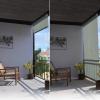
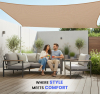
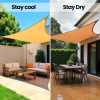
- Shading: Installing shading solutions such as curtains and UV-blocking HDPE shades helps block incoming sunlight, keeping indoor spaces cooler.
- Reflective Painting: Often applied on terraces, reflective paints bounce sunlight off the roof, reducing heat absorption.
- Thatch Roofing: Traditionally used in rural homes, thatched roofs are now gaining popularity in urban dwellings as an efficient way to maintain cooler indoor temperatures.
Among these methods, shading plays the most significant role in maintaining a comfortable indoor environment. Let’s explore its importance in detail.
What Is Shading?
Have you ever noticed how cool and relaxing it feels under the shade of a tree on a hot summer day? This is because the tree blocks direct sunlight, creating a naturally cooler space. In simple terms, shading refers to blocking sunlight from entering indoor spaces through doors, windows, or other openings.
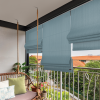
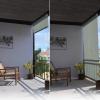
Shading is one of the most effective ways to keep interiors cool. By simply drawing curtains or pulling down blinds, you can significantly reduce heat buildup inside your home or office.
An even more effective approach is external shading—blocking sunlight before it hits the walls. Since walls absorb heat and act as insulators, preventing direct exposure helps maintain lower indoor temperatures.
Using high-quality shading materials such as High-Density Polyethylene (HDPE) net fabrics can block sunlight at a distance while also filtering up to 95% of harmful UV rays.
What Are HDPE Shades?
High-Density Polyethylene (HDPE) is a knitted fabric known for its exceptional durability and ability to withstand harsh weather conditions. Unlike many traditional materials, HDPE fabrics are designed for long-term outdoor use.
One of the key advantages of HDPE shades is their ability to block harmful UV rays that can cause skin damage and long-term health issues. Although HDPE fabric is not completely waterproof, it does provide a certain degree of rain resistance.
The porous structure of HDPE fabric allows trapped heat to escape, preventing heat buildup underneath. When used correctly, HDPE shades can last anywhere from 5 to 15 years, thanks to their strength against high temperatures, strong winds, and rainfall. They are also available in a wide variety of shapes, sizes, and colours to match different requirements.
HDPE Fabrics by Hippo
Hippo is a leading manufacturer and exporter of premium HDPE fabrics, with applications across more than 12 countries. Some of the standout features of Hippo’s HDPE fabrics include:
- Dimensional Stability: Hippo fabrics maintain their shape and resist stretching or tearing even under extreme weather conditions.
- Long UV Life: Manufactured using German UV inhibitors, these fabrics offer extended resistance to harsh sunlight and outdoor exposure.
- 100% Recyclable: Made from knitted polyethylene material, Hippo HDPE fabrics are completely recyclable.
- Wide Range of Colours and Sizes: Available in multiple shades, shapes, and sizes to suit diverse shading needs.
FAQs
How to Choose a Good HDPE Shade Fabric?
When selecting an HDPE shade fabric, consider the following points:
- Fabric Quality: Choose high-quality knitted HDPE fabric with a strong UV protection rating.
- Type of Fabric: For shading, standard HDPE fabric with UV protection is ideal. For added water resistance, opt for waterproof fabric variants.
- Stitching: Look for premium stitching with protective patches for added durability.
- UV Protection Level: Higher UV protection percentages, such as 85%–95%, offer better heat and sun protection.
How Are HDPE Shades Installed?
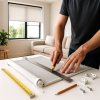
Installing HDPE shades is simple and hassle-free. Hippo shades, roller blinds, and curtains come with pre-fitted mounts, frames, and strings for easy installation.
Step 1: Drill holes in the wall for inside or outside mounts.
Step 2: Secure the mounts using screws.
Step 3: Align the groove of the roller blind or shade with the mount, press, and fasten.
Step 4: Check for sturdiness and adjust if required. Installation is complete.
Additionally, a steel rod fixed at the bottom adds weight, while cup hooks and wall fasteners help keep the shade firmly in place during strong winds.
Do HDPE Shades Require Cleaning?
HDPE shades do not require frequent cleaning, but occasional washing with warm water and mild detergent is recommended to extend fabric life. Certain HDPE curtains can also be washed and restored to a like-new appearance.
Are HDPE Shades Waterproof?
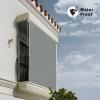
HDPE shades are not fully waterproof due to their knitted structure, which allows limited water permeability. However, they do offer a degree of water resistance. For complete waterproofing, Hippo’s PU-coated polyester or PVC-coated polyester fabrics are recommended.