



Roller Blinds - All you need to know

Shading plays a vital role in preventing indoor spaces from heating up and maintaining a comfortable environment. Among the many shading solutions available in the market, roller blinds stand out as a smart choice that combines functionality with elegance. Not only do they provide effective shade and help keep interiors cool, but they also add a clean, sophisticated look to your space.
Unlike traditional curtains, roller blinds have a neat and uncluttered appearance, which is why they are widely preferred for offices as well as residential interiors. If you are still unsure about what roller blinds are and how they work, keep reading to explore everything you need to know.
What Are Roller Blinds?
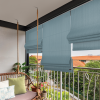
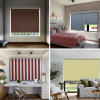
A roller blind, in its simplest form, is a piece of fabric rolled around a casing that is fixed to a wall or window frame. Using a cord, chain, or spring mechanism, the blind can be pulled down or rolled up as required.
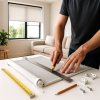
Typically, a roller blind consists of a fabric neatly rolled into a top casing placed above the window, along with a control mechanism that manages the upward and downward movement. While there are advanced and more complex versions available in the market, basic roller blinds are easy to install and require minimal maintenance. In most cases, simple dusting is sufficient to keep them clean.
Function of Roller Blinds
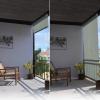
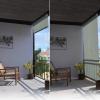
Roller blinds primarily function as shading solutions that block sunlight from entering the room and, during colder months, help prevent heat from escaping through windows. In addition to their practical benefits, roller blinds significantly enhance interior décor.
Their sharp lines and tidy appearance lend a timeless and classic appeal to interiors while remaining highly functional, making them a perfect blend of style and utility.
Kinds of Roller Blinds
There are several types of roller blinds available in the market, each designed to suit different needs and preferences:
Roll-Up Blinds
Roll-up blinds are the simplest and most effective type of roller blinds. They feature a single piece of fabric that rolls up and down using a cord mechanism. When not in use, the fabric is neatly stored inside the casing, keeping it safe and secure.
Venetian Blinds
Venetian blinds are a classic window treatment featuring horizontal slats connected by strings or fabric tapes. As the blinds are raised, the slats stack neatly on top of each other. While they require more effort to clean due to multiple components, they remain one of the most reliable and long-lasting options. Venetian blinds can be made from materials such as aluminium, bamboo, faux wood, PVC, vinyl, or real wood.
Roman Blinds
Roman blinds resemble roll-up blinds but differ in construction. Instead of rolling into a casing, the fabric folds into itself when raised, forming a thick stack at the top of the window. This stack can partially block the visible window area when the blind is fully raised.
Vertical Blinds
Vertical blinds are similar to Venetian blinds in structure, except the slats are arranged vertically. These slats can be drawn side to side or parted from the center, making them ideal for large windows and sliding doors.
Honeycomb Blinds
Honeycomb blinds, also known as cellular blinds, are the most technically advanced option. They feature single or double cell structures that create air pockets within the fabric. These pockets trap air and provide excellent insulation, keeping interiors warm during winter and preventing heat from entering during summer.
How to Choose Roller Blinds
Choosing the right roller blind largely depends on your specific needs. If you prefer a simple, low-maintenance option, roll-up blinds are an excellent choice for both home and office spaces.
For a more elegant and classic look, Venetian, Roman, or Vertical blinds add sophistication and timeless appeal. If you live in a region that experiences both hot summers and cold winters, honeycomb blinds are ideal for year-round comfort due to their insulating properties.
FAQs
How to Operate Roller Blinds?
Operating roller blinds is simple. You can pull the cord or chain to move the blinds up or down using a spring roller or chain control mechanism. For added convenience, motorised roller blinds are also available and can be operated using a remote control or wall-mounted button.
How to Maintain Roller Blinds?
Roller blinds are nearly maintenance-free and generally require only regular dusting. In case of stains, the fabric can be removed and washed, or suitable stain-removal solutions can be used.
Are Roller Blinds Durable?
Yes, roller blinds can last for many years if used properly. While the fabric may fade over time, the mechanism remains durable when gently used and occasionally lubricated. For enhanced durability and UV resistance, Hippo Roller Blinds made from High-Density Polyethylene (HDPE) fabric are a reliable choice.
Are Roller Blinds Customisable?
Absolutely. Roller blinds are available in standard window sizes, and custom sizing options are also offered to perfectly fit non-standard window dimensions.
Do Roller Blinds Block Light Completely?
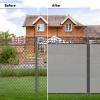
Light blocking depends on the fabric selected. Hippo roller blinds offer 80% to 95% UV shading. A higher shade factor means less light penetration. For example, an 80% shade fabric allows more light than a 95% shade fabric.