



What Color Should Your Blinds for Window Be? 6 Top Tips

Choosing the right color for your window blinds or curtains can transform the look and feel of any room. Should your blinds complement the walls, trim, furnishings, or the overall style of the space? Here are six easy guidelines to help you pick the ideal color for your blinds or shades to balance aesthetics, privacy, light control, and insulation.
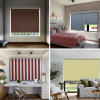
Window blinds come in an extensive array of colors, from classic whites, dove, and ivory to ice blue, gold, moss, and even bold choices like red velvet, chocolate, and charcoal. Bright hues create a lively atmosphere, while muted shades like beige, gravy, or soft pastels foster calm and relaxation.
White, cream, and pastel blinds reflect light, making your room appear bright, airy, and more energy-efficient. For kids' rooms, vibrant flower patterns can bring playful energy, while window shades provide endless design possibilities, allowing you to add a unique decorative touch.
Factors such as the type of blinds, dimensions of your windows, existing décor, and materials in your space will influence your final choice. For instance, wooden blinds might complement rooms with extensive wooden furniture.
Why Choose Window Blinds?
Window blinds are versatile and suitable for almost any home. Vertical blinds work well for large windows or sliding doors, while roller blinds are ideal for smaller spaces.
Light Control
Slatted blinds allow adjustable light and privacy by tilting, opening, or closing the slats, unlike curtains that let only limited light through. Blinds let you control natural light while maintaining privacy.
Energy Efficiency
Blinds trap air against windows, providing insulation to improve heating and cooling efficiency. They help reduce energy costs by keeping interiors warmer in winter and cooler in summer.
Safety
Modern blinds prioritize safety with cordless or motorized options that reduce hazards, allowing convenient and secure operation for families.
Aesthetics
Blinds come in wood, synthetic, and metal options, giving either a classic, industrial, or modern look. Wood blinds add timeless charm, while synthetic blinds are durable and versatile.
Maintenance
Blinds are easy to clean with minimal effort—spot clean with a damp cloth or dust regularly using a feather duster or dry cloth. They require less maintenance than curtains or other window treatments.
Other Window Treatment Options
Alternatives like gliding panels, cellular (honeycomb) shades, or Roman shades offer different aesthetics and insulation properties. Gliding panels work well for large windows or porch doors, cellular shades enhance privacy and thermal insulation, and Roman shades add classic elegance.
How to Pick the Perfect Color for Window Blinds
Complement Your Window Trim
Matching blinds to the window trim ensures a neutral, cohesive appearance. Most trims are white or off-white, which blends well with any décor. Always test a few samples, as white can have warm or cool undertones.
Match Wall Colors
Tone-on-tone designs are trendy. Blinds slightly lighter than wall paint create a subtle, unified look. Paint colors can be matched with the help of design professionals for near-perfect harmony.
Complement Existing Fixtures or Flooring
Coordinate blinds with furniture, flooring, or cabinets. Imitation wood or wooden blinds enhance natural tones, while fabrics can match accent chairs, rugs, or pillows.
Choose Vibrant Colors
Bold colors like Classic Blue can make a statement in neutral spaces. Contrasting wood tones or dark shutters create visual interest. Pairing bright shades with neutrals integrates color seamlessly.
Consider Room Size
Light shades make small spaces appear larger and airy, while darker tones in large rooms add depth and coziness. Consider the amount of window area and visibility when blinds are closed.
Consult a Design Expert
When unsure, professional designers can help. Request free samples to preview colors in your home for accurate decisions.
Conclusion
Choosing the right color for your window blinds enhances both aesthetics and functionality. With Shop Hippo, you get a satisfaction guarantee, ensuring the perfect color, design, and craftsmanship for your blinds, shades, or shutters.
FAQs
Do window coverings need to be darker or lighter than the walls?
They can be either, depending on your preference. Ensure harmony, maintain at least one shade difference, and consider room size and wall dimensions.
Which color works best for roller shades?
Ideal colors include creamy whites, grays, natural browns, and charcoals. Brighter colors are best for blackout shades, while darker hues are suitable for general roller shades.